Before diving into the myriad options available, clearly define what you aim to achieve with the trail camera. Are you monitoring wildlife behavior for a conservation project? Do you need a camera for home security? Or are you setting it up for hunting purposes?
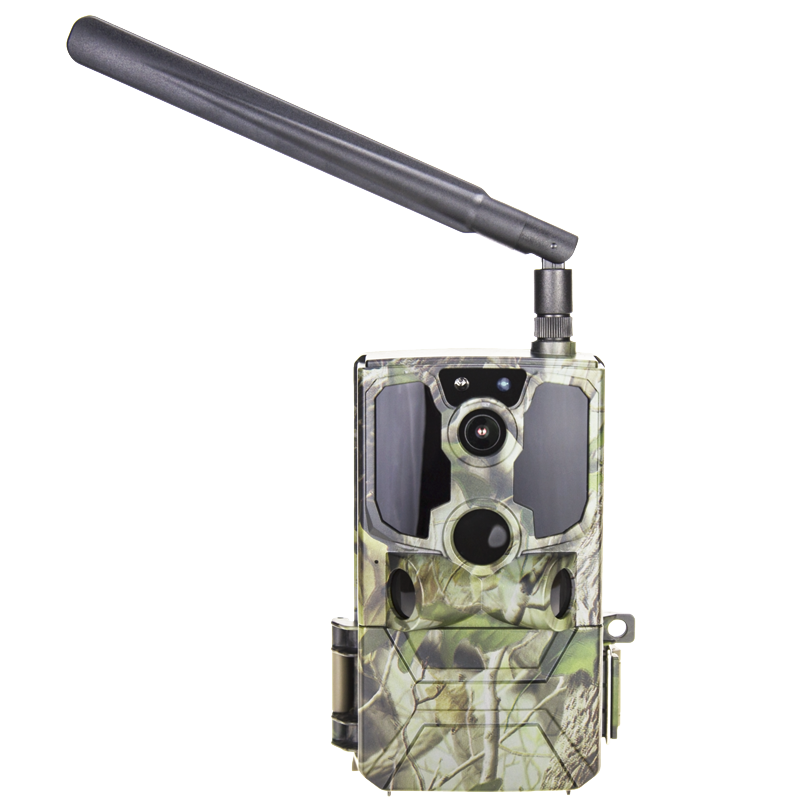
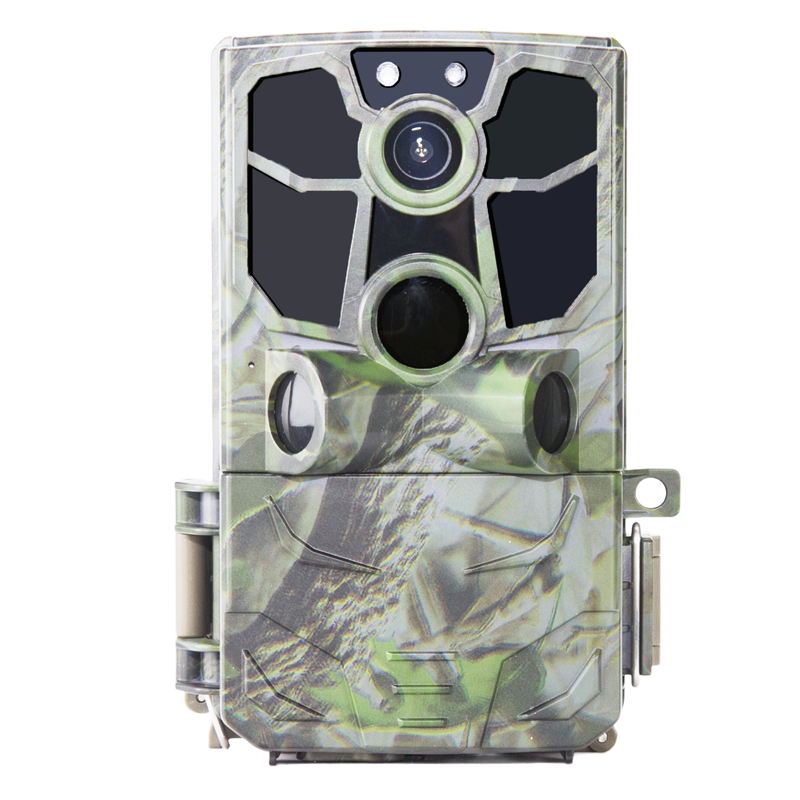
The resolution of the camera is crucial for capturing clear and detailed images. High-resolution cameras, typically offering 14MP or higher, are ideal for detailed monitoring, such as wildlife research. Like FKI’s E46GH, E40G and E307W can meet your needs.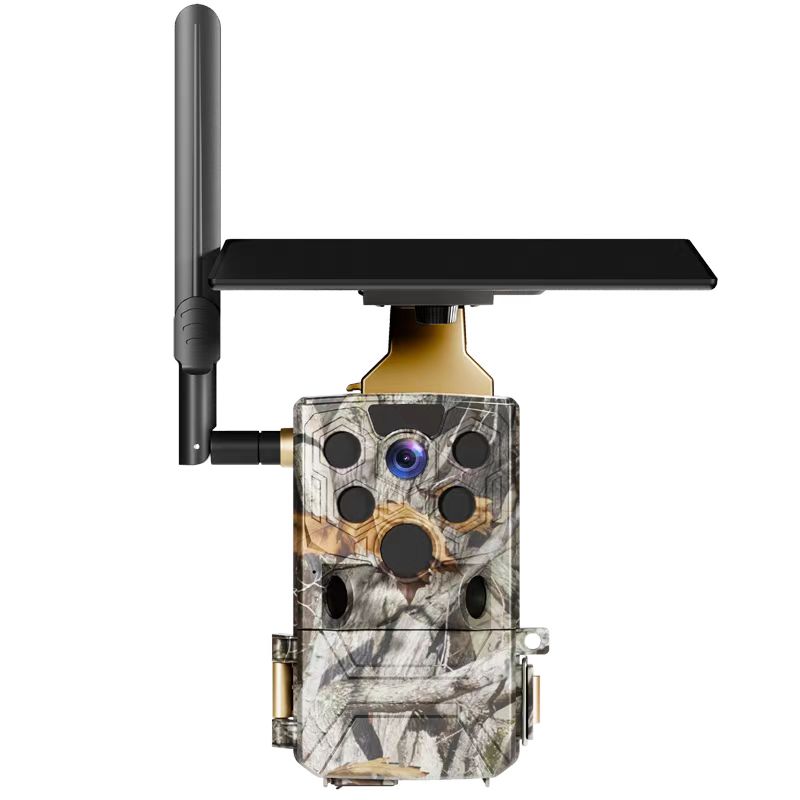
Lower resolutions, like 5MP or 8MP, may suffice for general security or casual hunting purposes. We recommend R5S and E9L.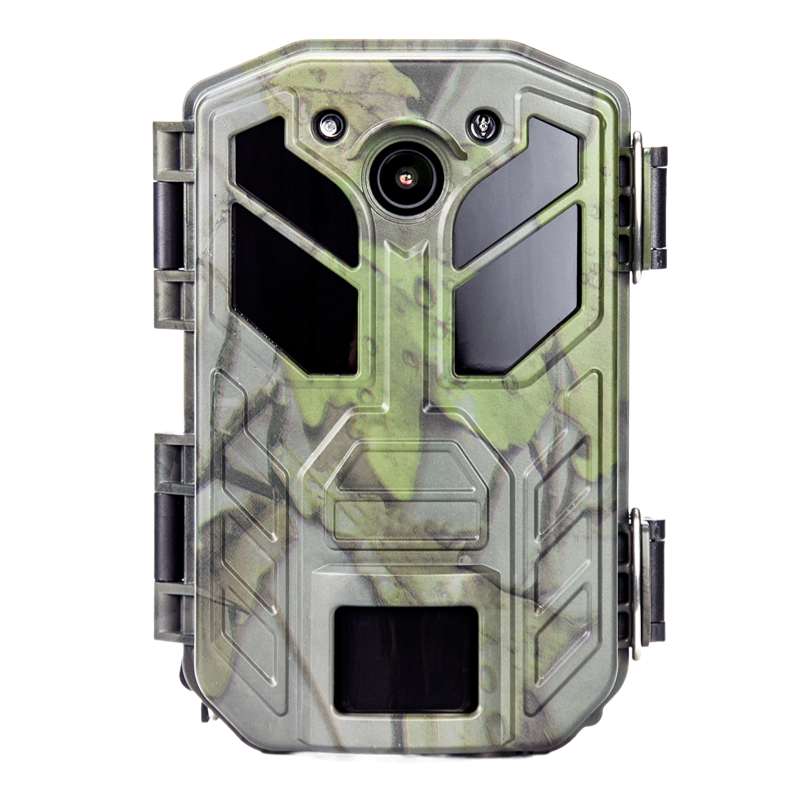
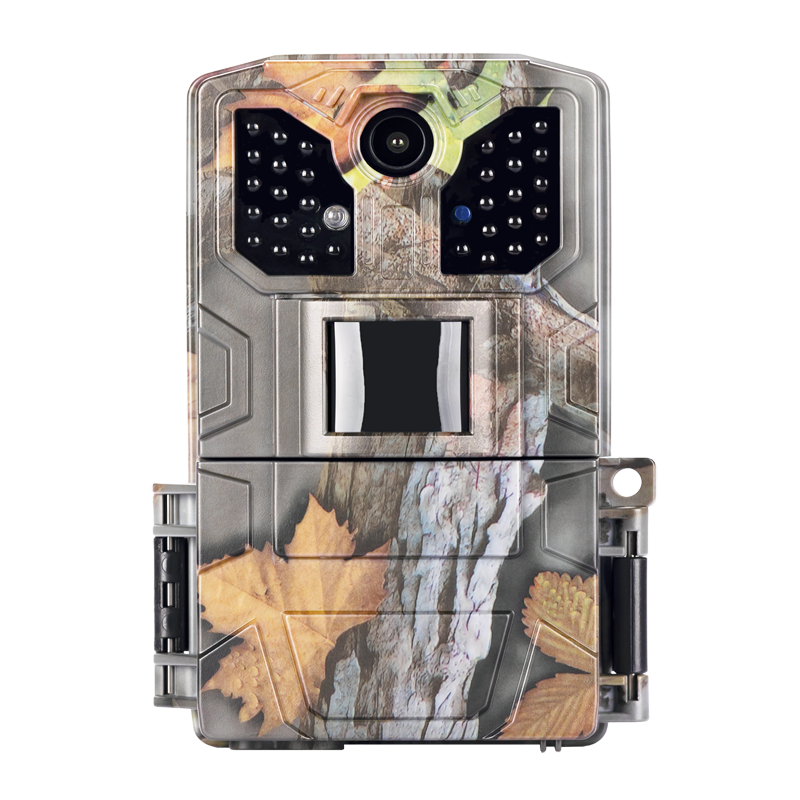
Trail cameras often operate in remote locations where access to power outlets is limited. Therefore, battery life is a significant factor. Look for cameras with long-lasting batteries that can sustain operation for weeks or even months on a single charge. Such like E108S, E205W and E307W.Standby time is 6 months.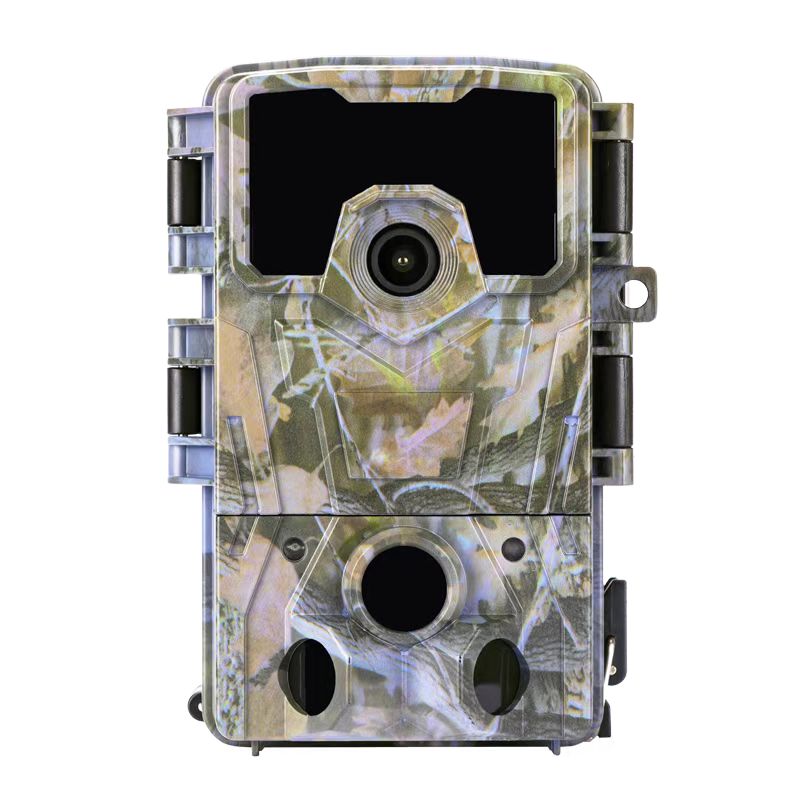
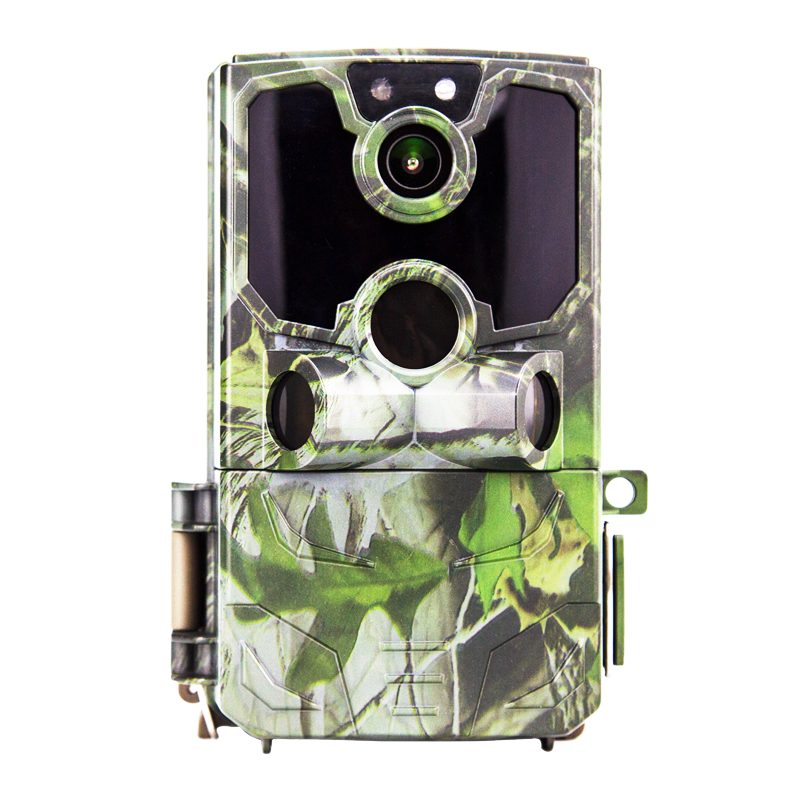
Solar-powered options are also available, which can extend the camera’s uptime indefinitely, as long as there is adequate sunlight. Then we recommend the E48GHB, E46GH,E309WHB, E10SH.Standby time is 9 months.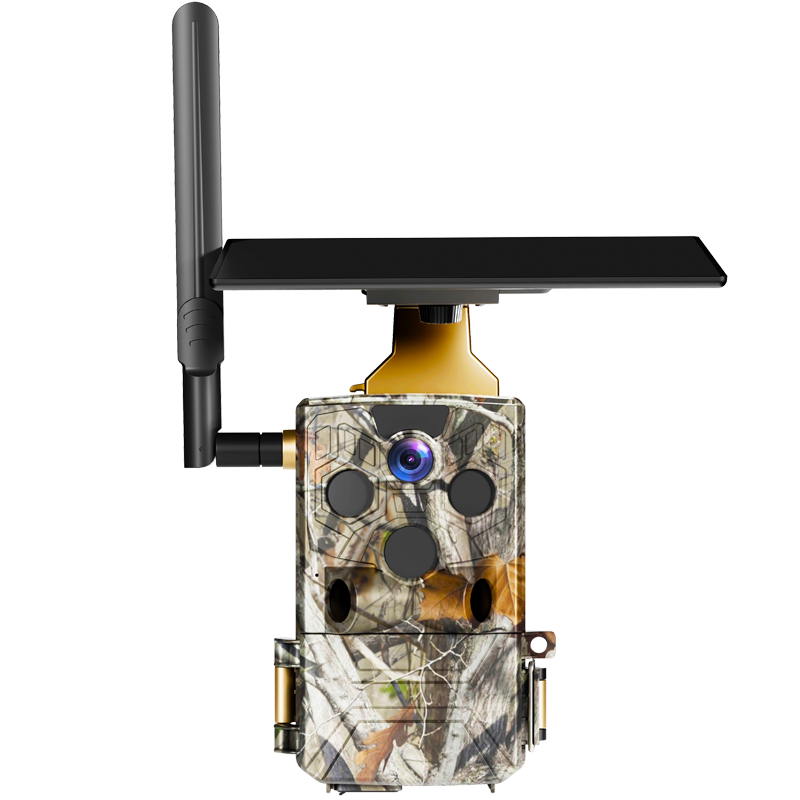
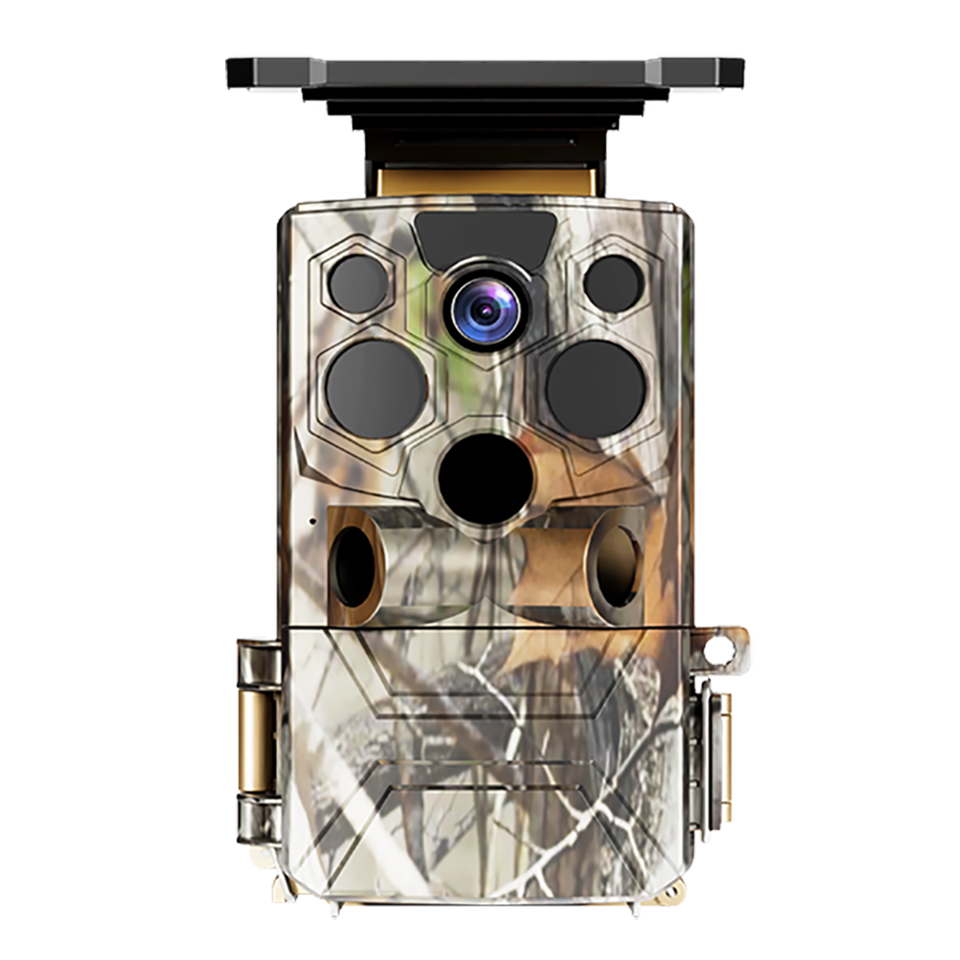
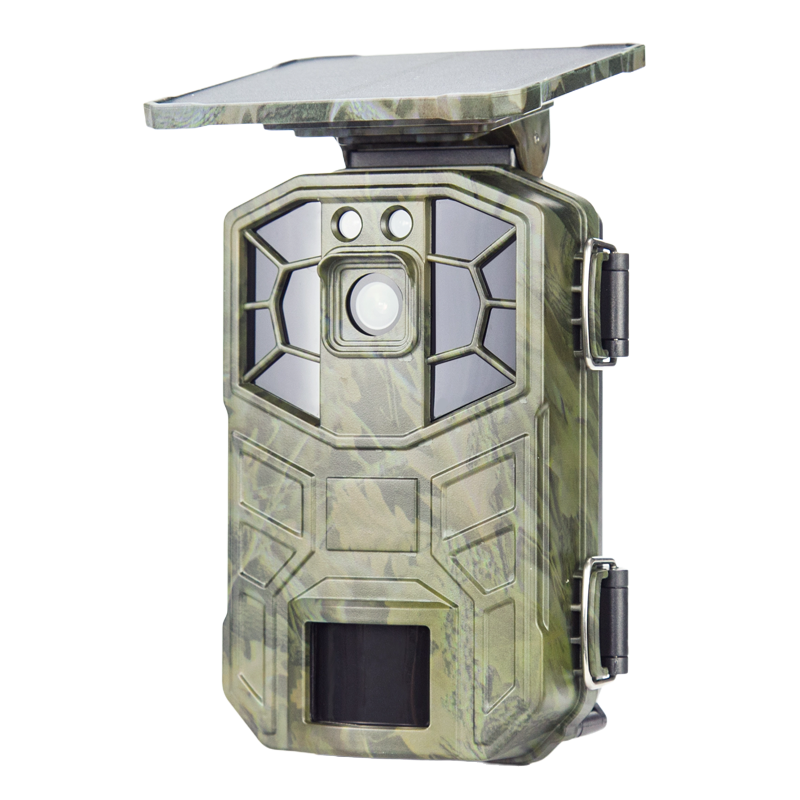
For projects involving fast-moving subjects, such as wildlife or intruders, trigger speed is essential. The faster the camera can detect and capture an event, the more likely you are to get useful footage. Look for cameras with rapid trigger speeds, typically 0.2s.
Detection range is another critical factor. Ensure the camera has a wide enough detection range to cover the area you need to monitor. The cameras with 120°PIR angle are as follow: E48GHB,E46GH,E40G,E309WHB,E205W,E205WH,E307W,E307,E108S.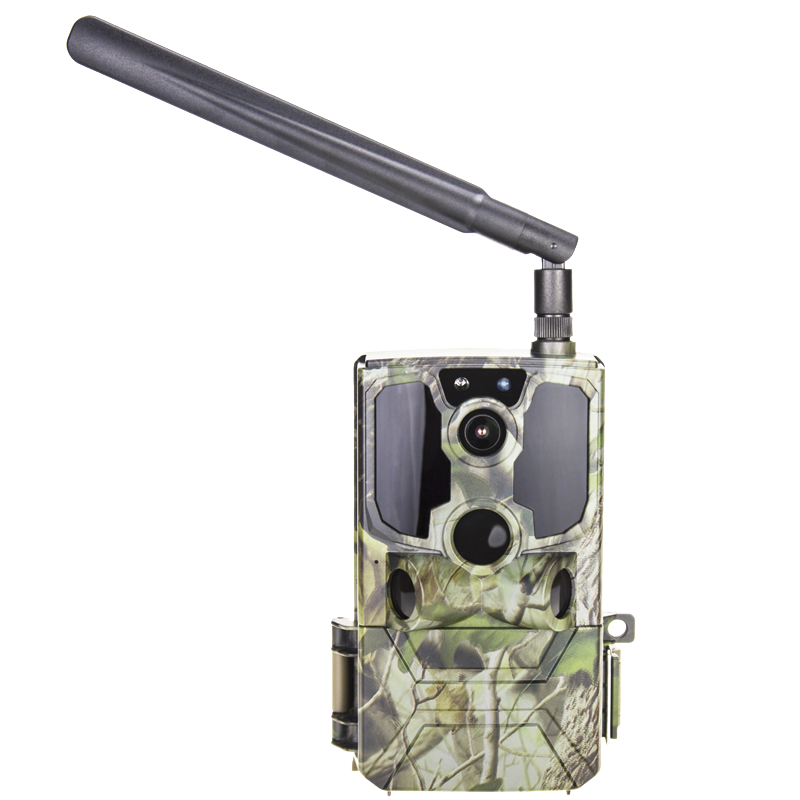
In today’s digital age, connectivity options have become increasingly important. Many trail cameras offer Wi-Fi capabilities, allowing you to remotely access and manage images and videos from your smartphone or computer.
Storage options also vary. Cloud storage options are also available, providing an additional layer of convenience and security. FKI’s cameras are 32GB and 128GB.
Trail cameras are often exposed to harsh outdoor conditions, including extreme temperatures, rain, snow, and dust. All of trail cameras are IP66. The cameras are water resist, dust resist and can be work in rainy day and snow weather.
Beyond the basics, many trail cameras offer additional features that can enhance your project’s success. These include:
Remember, If you hunting, hunting with FKI; it’s the one that best aligns with your project goals and constraints. Happy trailing!
